How Long Does an FRP Water Tank Last? Key Factors Affecting Service Life
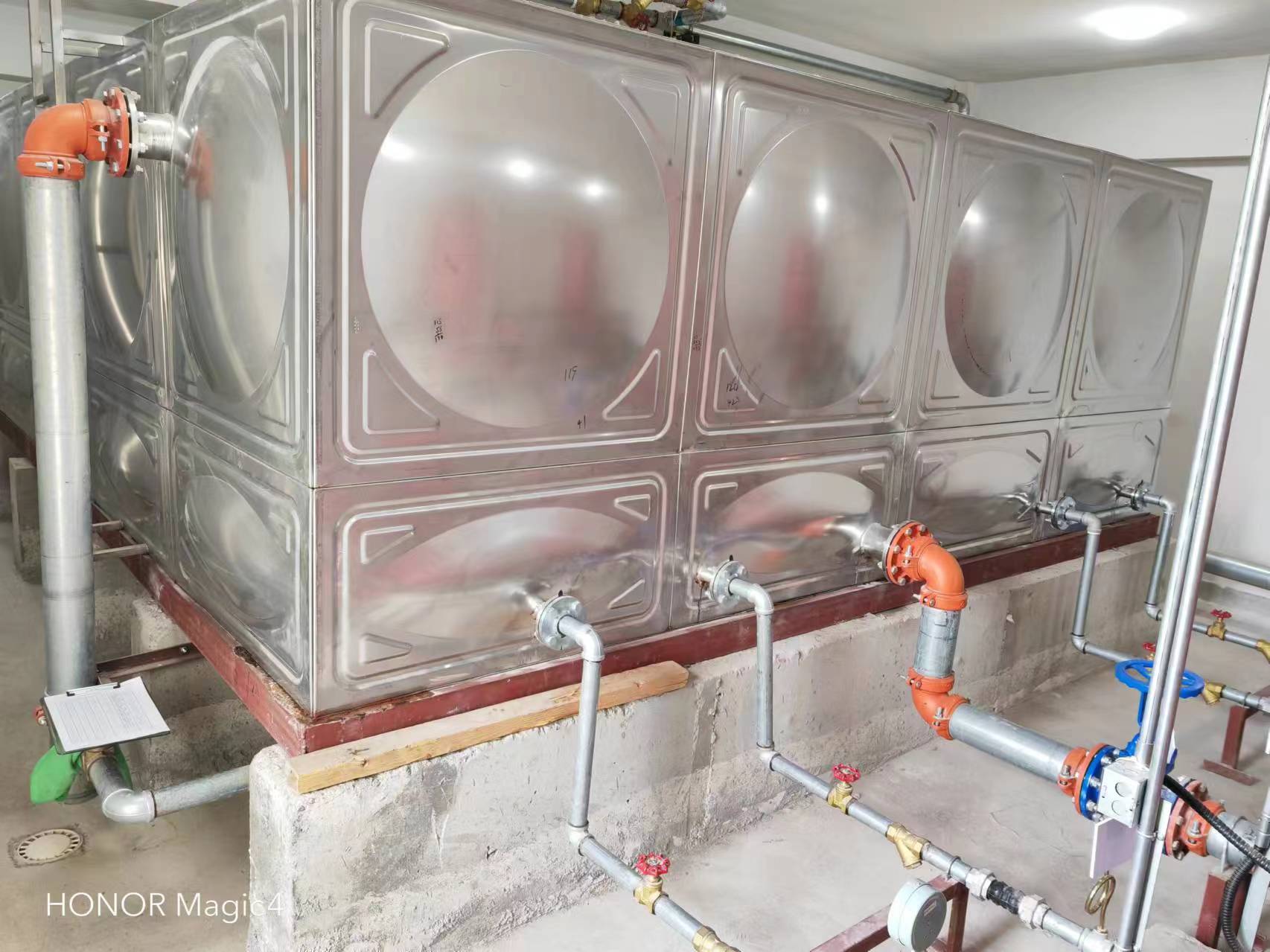
Introduction: The Real Lifespan Curve of an FRP Water Tank
In 2017, a Beijing residential complex experienced an emergency shutdown due to an FRP tank leak. The tank, only 8 years old, showed severe blistering and delamination in its inner liner. Yet another tank from the same batch, installed in the adjacent building, remained in service until 2023. Why such a difference?
FRP water tanks are typically rated for 15–20 years of service, but actual longevity can range from under 5 years to over 25 years. Data from Beijing Yuanhui FRP Co., Ltd. indicates that 85% of properly installed and maintained tanks meet or exceed their design life. This article breaks down the six critical factors that determine how long your tank will last.
1. Raw Materials and Manufacturing Quality
Resin System Selection
The resin is the load-bearing matrix of an FRP tank. Orthophthalic polyester resins are cost-effective but offer lower water resistance; they hydrolyze over long-term immersion. Isophthalic resins improve water resistance by about 30%, while vinyl ester resins excel in corrosive environments. Beijing Yuanhui FRP Co., Ltd. mandates food-grade isophthalic resin for potable water tanks and selects corrosion-resistant grades for industrial applications.
Glass Fiber Content and Layup Design
Industry standards require a minimum fiber content of 30% by weight, but budget products often have only 22%–25%. Improper layup sequences cause low interlayer shear strength, leading to delamination under thermal stress or hydraulic shock. Tanks manufactured with computer-controlled filament winding show 40% longer fatigue life compared to hand lay-up units.
Cure Degree and Post-Cure
Insufficient curing leaves residual styrene and reduces water resistance. Reputable manufacturers ensure a cure degree above 95% and apply a post-cure heat treatment. Beijing Yuanhui FRP Co., Ltd. performs Barcol hardness tests on every batch to verify cure quality.
2. Installation Environment and Foundation
Foundation Settlement and Stress Concentration
Uneven foundations or soil settlement cause localized overloads, a leading cause of early failure. In one industrial park, a tank placed on uncompacted backfill cracked within 6 months. Proper practice: pour a reinforced concrete foundation, embed steel base plates, and maintain levelness within 3 mm.
Ambient Temperature and UV Exposure
FRP tanks operate from -40°C to 80°C, but freeze-thaw cycles can initiate microcracks. Outdoor UV exposure causes surface chalking and embrittlement. Gel coat or polyurethane topcoats mitigate this; Beijing Yuanhui FRP Co., Ltd. outdoor tanks include UV stabilizers and a weather-resistant gel coat.
Ventilation and Moisture Control
High humidity combined with poor ventilation accelerates corrosion of metal fittings (flanges, manhole bolts), leading to seal failure. Recommended: keep relative humidity below 70% and provide cross-ventilation.
3. Water Chemistry and Operating Conditions
Chemical Characteristics
Normal tap water (pH 6.5–8.5) is benign, but industrial effluents, deionized water, or chlorinated water can aggressively attack the resin. A chemical plant storing 1% sulfuric acid saw its 15-year-rated tank leak after only 3 years. Always select corrosion-resistant resin and increase liner thickness for aggressive water.
Water Temperature and Thermal Shock
At water temperatures above 60°C, most standard resins lose 30%–50% of their strength. Rapid temperature swings cause internal stress and cracking. Beijing Yuanhui FRP Co., Ltd. recommends heat-resistant resin for hot water tanks (40–60°C) and limiting temperature change rates to ≤10°C/h.
Hydraulic Shock and Vibration
Pressure surges from pump start/stop (water hammer) can reach 5 times the normal pressure. Without slow-closing check valves or surge suppressors, repeated shocks cause fatigue failure at seams and flanges.
4. Maintenance: The Overlooked Lifespan Extender
Regular Cleaning and Water Testing
Sediment and biofilm buildup create localized corrosion cells. Clean every 6–12 months and test water quality (free chlorine, pH, iron). Beijing Yuanhui FRP Co., Ltd. customers who perform annual cleaning enjoy 5–8 years of additional service life compared to those who skip it.
Visual Inspection and Spot Repair
Check annually for discoloration, chalking, cracks on the exterior; and blistering, delamination on the interior. Minor damage can be ground out and patched with repair resin; neglect leads to through-wall defects.
Replacement of Seals and Fasteners
Rubber gaskets and O-rings typically degrade in 3–5 years; replace proactively. Apply anti-seize compound to metal bolts every year.
Conclusion: Service Life = Design × Installation × Maintenance
The lifespan of an FRP water tank is not a fixed number but the product of material quality, manufacturing precision, installation conditions, water chemistry, and maintenance diligence. Beijing Yuanhui FRP Co., Ltd. advises: choose a certified manufacturer (ISO 9001, full test reports), follow installation standards, and implement a periodic maintenance schedule. These steps can push actual service life from a "maybe" 15 years to a "certain" 20+ years.
Remember: a 20-year-rated tank installed on acidic soil, connected to hot chlorinated water, and never cleaned may fail in 5 years. The same tank with quality materials, correct installation, and regular care can still deliver reliable water a quarter-century later.