Service Life of FRP Water Tanks and Influencing Factors: From Material Aging to Installation Maintenance
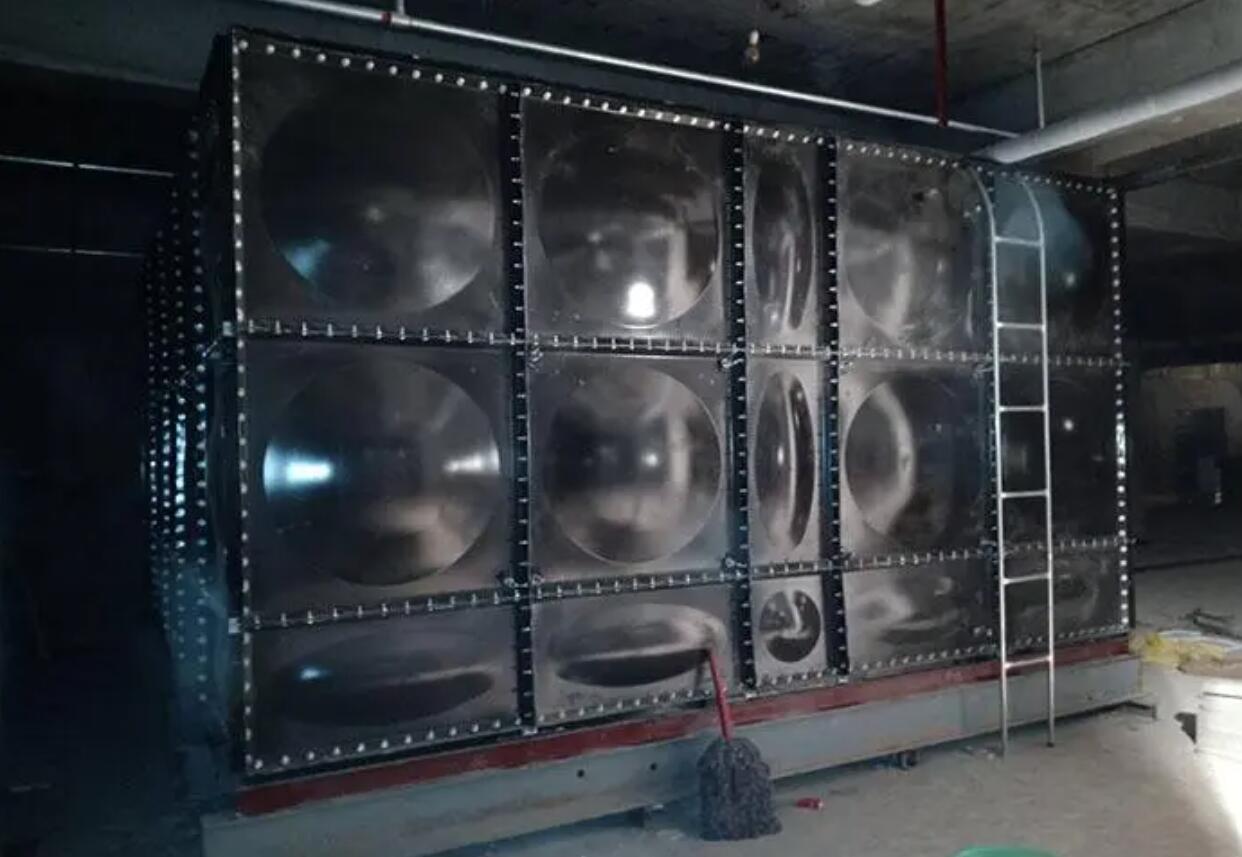
How Long Do FRP Water Tanks Actually Last? Industry Data
The design service life of FRP water tanks under normal conditions is 15–20 years. In a tracking study of 230 projects in northern China by Beijing Yuanhui FRP Co., Ltd., 78% of tanks remained structurally sound with a leakage rate below 0.5% after 12 years. However, tanks that failed prematurely (5–8 years) showed a common pattern: suboptimal material selection, poor workmanship, or harsh environmental exposure.
4 Key Factors That Determine FRP Tank Longevity
1. Raw Material System: Resin and Glass Fiber
The matrix material—typically unsaturated polyester or epoxy resin—dictates corrosion resistance and UV stability. Beijing Yuanhui uses isophthalic polyester resin (serviceable up to 80°C, pH 4–10) which offers 40% better hydrolytic stability than orthophthalic resin. E-glass fiber with alkali content below 1% prevents fiber-resin interface debonding. Test data shows a flexural strength retention of ≥72% after 10 years with premium resin, versus only 48% with low-grade alternatives.
2. Manufacturing Quality: Cure Degree and Fiber-Resin Bonding
Hand lay-up is the dominant process for medium-sized FRP tanks. Incomplete curing (cure degree below 85%) leaves free hydroxymethyl groups that accelerate hydrolysis. Beijing Yuanhui mandates a cure degree ≥92% plus post-curing at 60°C for 4 hours to relieve internal stress. The resin-rich layer should be 0.5–0.8 mm thick—too thin invites capillary water ingress, too thick causes cracking. One-piece molded tanks have 60% fewer leakage incidents than sectional assemblies.
3. Installation Environment: UV, Temperature, and Water Chemistry
Outdoor tanks face UV degradation: micro-cracks appear at cumulative UV doses above 2000 MJ/m², penetrating up to 0.3 mm. Adding a UV-absorbing gel coat (≥0.3 mm) extends life by 3–5 years. Continuous water temperatures above 50°C soften the resin; vinyl ester resin is recommended for such conditions. Free chlorine above 2 ppm attacks ester bonds—swimming pool tanks should use a chlorobutyl rubber liner.
4. Maintenance: The Overlooked Multiplier
Bi-annual cleaning prevents microbial corrosion from algae. Replace silicone gaskets every 2 years to avoid bolt-hole seepage. In cold climates, maintain minimal water circulation to prevent freeze-thaw cracking. Beijing Yuanhui's after-sales data shows that regularly maintained tanks last 5.3 years longer on average than neglected ones.
How to Assess and Extend FRP Tank Life
Three field methods to evaluate aging: ① Barcol hardness (new tank ≥40; <30 indicates degradation); ② localized pressure test (0.05 MPa for 30 min); ③ FTIR analysis of ester peak area change. Practical extension measures: install a sunshade (reduces UV by 40%), pre-treat water (softening reduces scaling stress), and re-coat micro-cracked surfaces with fresh resin.
Beijing Yuanhui FRP Co., Ltd. provides a customized Life Prediction & Maintenance Guide with every tank, using local water quality data (TDS, chloride, pH) and climate parameters (annual sunshine hours, extreme low temperature). For a solar water storage project in Xinjiang, switching to weather-resistant resin plus insulation boosted expected life from 12 to 18 years.
Conclusion
FRP water tank service life is not a fixed number—it is the product of material quality, manufacturing precision, environmental conditions, and maintenance discipline. Choosing a reliable manufacturer like Beijing Yuanhui, adhering to installation standards, and performing periodic maintenance yields a consistent 15–20 year lifespan, with some installations exceeding 25 years. When repair costs exceed 50% of replacement cost—typically between years 14–16—replacement is the economical choice.