Surface Coating and Algae Prevention for FRP Water Tanks: Technical Insights and Engineering Practices
Introduction
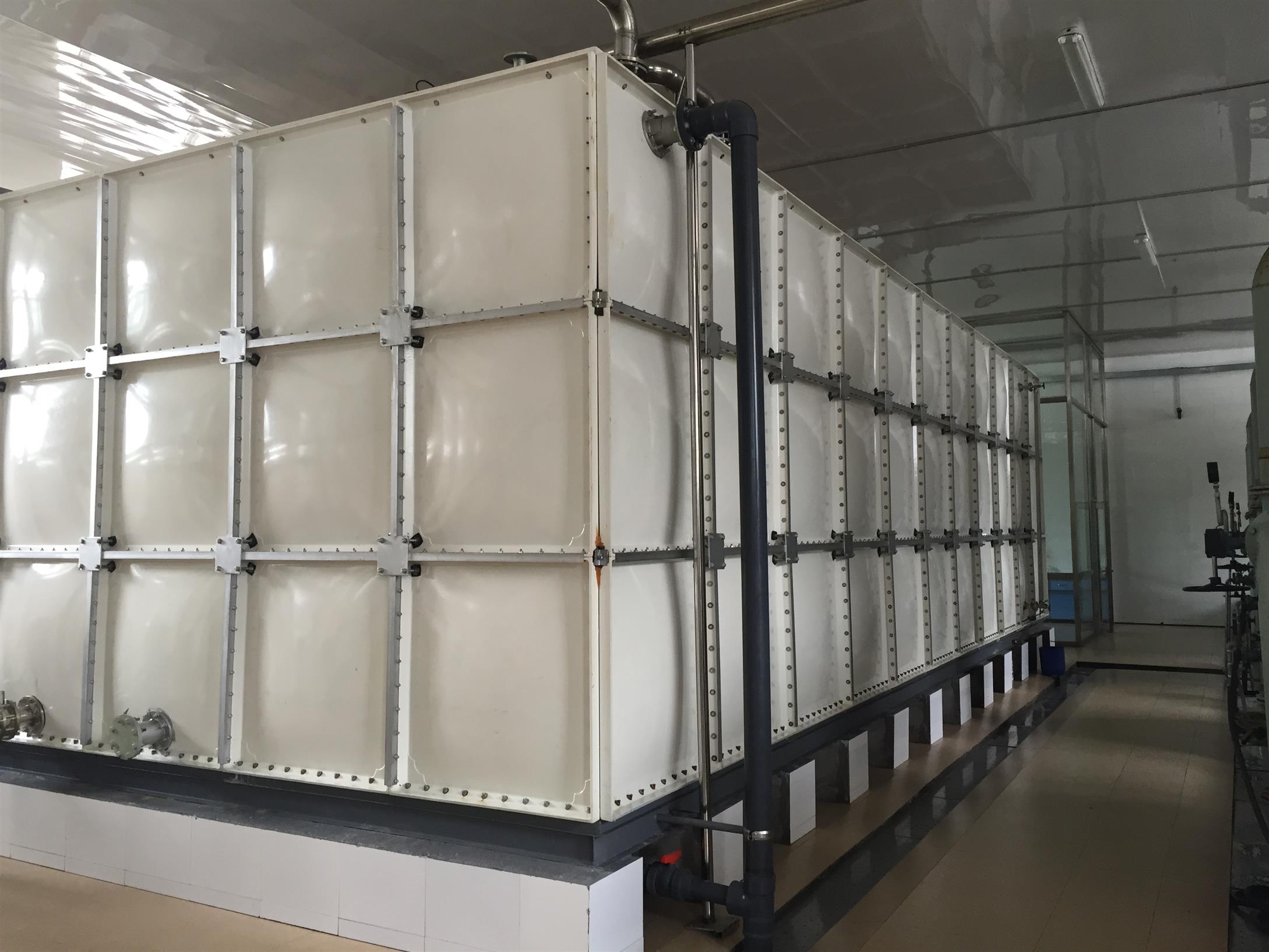
FRP (Fiberglass Reinforced Plastic) water tanks are widely used in construction, municipal water supply, industry, and fire protection due to their light weight, high strength, and corrosion resistance. However, prolonged water storage inevitably leads to coating degradation, microbial adhesion, and algae growth, compromising water quality and tank longevity. As a leading manufacturer, Beijing Yuanhui FRP Co., Ltd. emphasizes that the synergy between surface coating and algae prevention is critical for long-term performance. This article discusses key technologies, material selection, and field-proven strategies.
Surface Coating Systems: Functions and Selection
Core Functions of Coatings
The primary role of coatings on FRP tanks includes:
- Water barrier: Preventing moisture ingress that causes hydrolysis of the resin matrix.
- UV resistance: Protecting against yellowing and embrittlement for outdoor tanks.
- Chemical durability: Withstanding chlorine, pH fluctuations, and disinfectants.
Coating Types and Performance
| Coating Type | Application | Temperature Range | Service Life |
|---|---|---|---|
| Food-grade epoxy | Potable water | -20°C to 80°C | 8-12 years |
| Polyurethane elastomer | High thermal variation | -40°C to 90°C | 10-15 years |
| Fluorocarbon | High UV / corrosive environments | -50°C to 120°C | 15-20 years |
Application Standards
Beijing Yuanhui FRP Co., Ltd. follows a strict process: surface roughening to Ra≥50μm, high-penetration primer (viscosity 200-300 mPa·s), and two coats of topcoat (each ≥80μm dry film thickness). Post-cure inspection includes holiday detection at 9kV and adhesion testing per ASTM D4541.
Algae Prevention: Mechanisms and Implementation
Algae Growth Factors
Algae require light, nutrients, temperature (15-35°C), and a surface for colonization. While FRP surfaces are smooth, micro-cracks and biofilms eventually form. An integrated anti-algae strategy involves:
- Physical barrier: Low surface energy coatings (contact angle ≥90°) reduce attachment.
- Chemical inhibition: Controlled release of biocides (e.g., silver ions, zinc pyrithione) embedded in the coating.
Advanced Anti-Algae Coatings
Nanocomposite coatings incorporating zinc oxide nanoparticles (20-50nm) offer photocatalytic self-cleaning under weak UV, generating hydroxyl radicals that degrade algal cell walls. Biocide loading of 0.5%-1.5% by weight ensures efficacy without compromising adhesion. In a case study by Beijing Yuanhui, a stadium water tank with silver-ion anti-algae coating showed <1% algae coverage after 3 years—a 90% reduction compared to untreated tanks.
Case Studies
Case 1: University Potable Water Tank (Southern China)
A 50-ton modular FRP tank coated with food-grade epoxy plus anti-algae layer. After 96-hour immersion testing: no total coliform detected; algae culture test (28 days) showed no visible spots; adhesion strength reached 6.5 MPa (pull-off method).
Case 2: Chemical Plant Fire Water Tank
Exposed to acidic sulfur compounds, the tank was coated with fluorocarbon + dual-function anti-corrosion/anti-algae system. After 5 years, no blistering or chalking was observed; only minor scaling was present, easily removed by acid washing.
Conclusion
Surface coating and algae prevention for FRP water tanks must be treated as an integrated system. Selection should consider water quality, installation environment, temperature swings, and disinfection methods. Beijing Yuanhui FRP Co., Ltd. recommends:
- For potable water: food-grade epoxy or polyurethane with physical anti-algae design (e.g., internal slope >1%).
- For industrial tanks: fluorocarbon or vinyl ester coatings with enhanced chemical resistance.
Regular maintenance—annual cleaning and coating inspection—can extend tank life beyond 20 years.