FRP Water Tank Lifespan: Key Influencing Factors and Extension Strategies
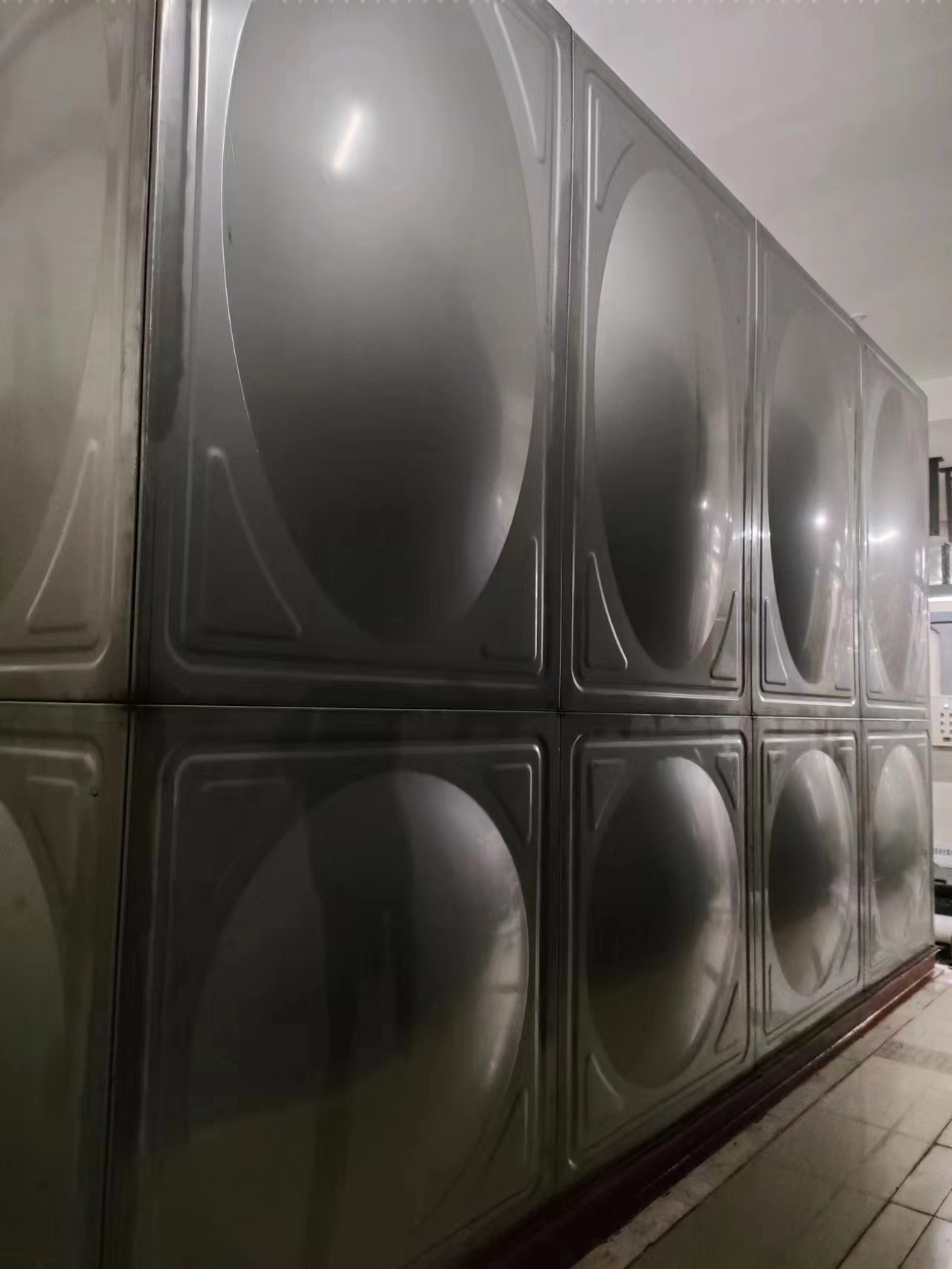
1. Standard Lifespan and Industry Reality
FRP (Fiberglass Reinforced Plastic) water tanks are widely used in building, firefighting, industrial, and domestic water systems due to corrosion resistance, light weight, and easy installation. Under normal conditions, the designed service life is 15–30 years, as per JC/T 658.1-2007. Beijing Yuanhui FRP Co., Ltd. has observed tanks installed in the early 2000s still functioning in the Beijing-Tianjin-Hebei region, while others failed within 8–10 years. The difference lies in material quality, manufacturing precision, and site conditions.
2. Four Critical Factors Affecting Tank Lifespan
2.1 Raw Material Quality and Formulation
The composite structure uses resin, glass fiber, and fillers. Isophthalic unsaturated polyester resin offers 40% better weather resistance than orthophthalic types, withstanding −40°C to 80°C. Beijing Yuanhui sources E-CR glass fiber from top-tier suppliers like Taishan Fiberglass and maintains resin content at 55%–65% to achieve interlaminar shear strength ≥15 MPa. Inferior materials lead to micro-cracking and water permeation over time.
2.2 Molding Process and Curing
Hand lay-up and compression molding affect wall density and uniformity. Beijing Yuanhui uses sequential hand lay-up with vacuum infusion for large tanks, controlling each layer to 1.5–2.0 mm thickness, curing at 25±3°C and humidity below 70%. A project where winter curing lacked insulation resulted in blistering and delamination after only 4 years. Data shows tanks with curing degree below 85% lose 40% of fatigue life.
2.3 Installation Environment and Foundation
Outdoor tanks require UV-resistant gel coating; otherwise, resin degradation causes 20% strength loss within 5 years. Uneven foundation leads to stress concentration—Beijing Yuanhui resolved a case where a customer’s foundation had 5 mm level deviation, causing bottom plate cracks after 3 years. Proper leveling and UV protection are non-negotiable.
2.4 Water Quality and Maintenance
Clean fire-protection water causes minimal corrosion, but water with chloride >200 ppm or pH <4 accelerates resin breakdown. Semi-annual cleaning and annual hydrostatic testing are recommended. Beijing Yuanhui clients with quarterly maintenance programs achieve 6–8 years longer tank life compared to those without.
3. Common Failure Modes and Prevention
3.1 Leakage and Cracking
Leaks often occur at panel joints or flanges. Prevention: double-lap welding with reinforced joints, EPDM gaskets replaced every 3–5 years.
3.2 Strength Loss and Deformation
Overpressure (1.5× design) causes bulging. Beijing Yuanhui tanks undergo 1.5× design pressure hydrostatic testing before delivery; pressure relief valves are recommended.
3.3 Inner Liner Detachment
If inner resin layer thickness <0.5 mm, erosion may detach the liner. Solution: bisphenol A vinyl ester resin liner at 1.0–1.5 mm thickness.
Conclusion
FRP water tank lifespan is dynamic—determined by material, process, installation, and maintenance. Beijing Yuanhui FRP Co., Ltd. advises specifying water quality and temperature parameters, ensuring level foundations and UV protection, and establishing regular inspection routines. Choosing a manufacturer with SC certification and ISO 9001 (like Beijing Yuanhui) significantly reduces early failure risk. For tanks over 10 years, wall thickness measurement and strength evaluation every 2 years help minimize lifecycle costs.