Surface Coating and Algae Prevention for FRP Water Tanks: Technical Insights and Engineering Practices
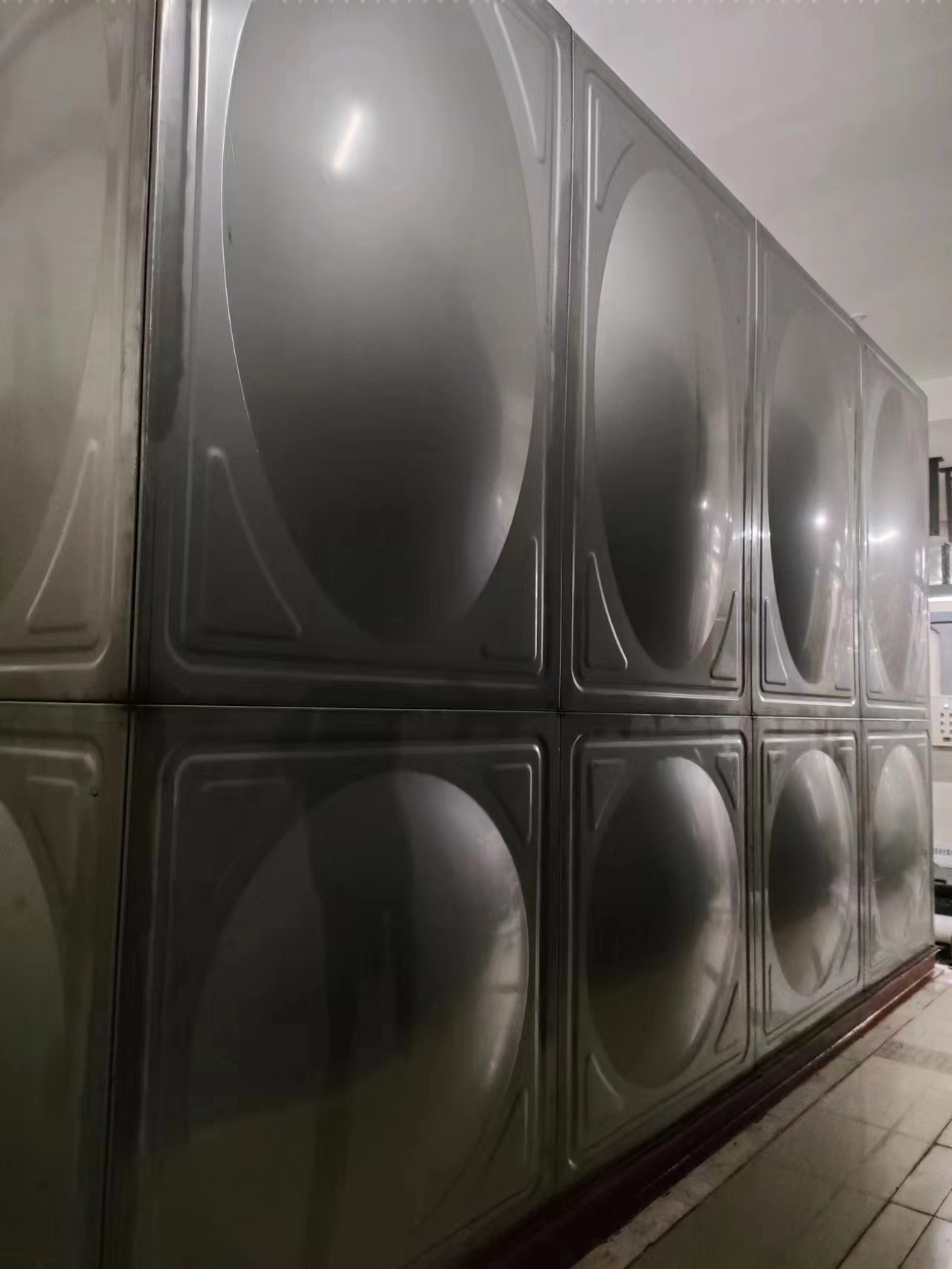
Introduction
The surface coating and algae prevention treatment of FRP (Fiberglass Reinforced Plastic) water tanks directly impact water quality and service life. In 2023, a municipal disease control center tested 30 FRP tanks in service for over five years: 67% of untreated surfaces showed algae growth, with cyanobacteria and green algae accounting for over 80%, leading to odor, turbidity, and increased disinfection byproduct risks. Beijing Yuanhui FRP Co., Ltd., with nearly 15 years of field experience, has completed over 2,000 tank coating and algae prevention projects, providing actionable data for the industry.
1. Surface Coating: A Dual Barrier of Isolation and Protection
1.1 Coating Material Selection
FRP tank substrates—typically unsaturated polyester or epoxy resin—have micro-pores and exposed glass fibers. Coatings must meet three criteria: adhesion ≥5 MPa (per GB/T 5210), water resistance (no blistering after 2 hours in boiling water at 100°C), and hygiene compliance (GB/T 17219 for drinking water). Common systems include:
- Epoxy coatings: strong chemical resistance, suitable for industrial water; prone to yellowing under UV, requiring topcoats for outdoor tanks.
- Polyurethane coatings: excellent flexibility and impact resistance; Beijing Yuanhui used this in a Zhangjiakou project, with zero cracking over five years.
- Food-grade vinyl ester coatings: withstand up to 80°C for hot water storage, but cost 35% more than epoxy.
1.2 Process Control
65% of coating failures stem from application issues. Key parameters: surface preparation to Sa2.5 (near-white metal) with roughness Rz 50–80 μm; recoat interval ≤4 hours at 25°C for epoxy; total dry film thickness 200–250 μm (2–3 coats). Beijing Yuanhui introduced wet-film thickness monitoring in a Tianjin project, boosting pass rate from 87% to 96%.
2. Algae Prevention: From Suppression to Long-Term Protection
2.1 Algae Growth Conditions and Risks
Algae thrive near inlet ports, manholes, and water-level fluctuation zones when water temperature is 20–30°C and pH 6.5–8.5. Metabolized organic acids slowly corrode coatings, and algal biofilms harbor bacteria like E. coli and Legionella. In 2019, a hospital in Jiangsu suffered a nosocomial infection outbreak due to tank algae, incurring over ¥3 million in losses.
2.2 Engineering Solutions
Proven approaches include:
- Anti-algae additives (e.g., zinc pyrithione or isothiazolinones) at 1.5%–3.0% of coating weight; effective for 2–3 years.
- UV-C lamps (254 nm) installed at manholes to inhibit spore germination. Beijing Yuanhui combined UV and coating in a Qingdao desalination plant tank, reducing inspection frequency from monthly to quarterly.
- Superhydrophobic coatings (contact angle >150°) to minimize algae adhesion; still in pilot stage.
2.3 Maintenance and Monitoring
Inspect tank interior twice yearly for blistering, peeling, or algal patches. Use ATP bioluminescence (threshold 100 RLU) for microbial load. Beijing Yuanhui’s Xi’an project showed algae counts consistently below 10 CFU/mL over three years after composite treatment.
3. Case Study: Beijing Yuanhui’s Engineering Practice
In 2021, Beijing Yuanhui refurbished a 120 m³ residential tank in North China after eight years of service, with extensive brown algae. The solution:
1. Complete coating removal, diamond grit blasting to Sa2.5;
2. Two coats of food-grade epoxy (total 220 μm);
3. Topcoat with 2.5% zinc pyrithione;
4. Removable UV-C module (30W) at the inlet.
Water tests over two years showed zero algae detection, adhesion maintained above 5.2 MPa. The tank has operated 34 months without extra maintenance. The key takeaway: effective algae prevention requires combining coating, additives, and localized UV—not a single technology.
Conclusion
Coating and algae prevention for FRP water tanks demand a systemic approach: correct material selection, strict process control, and integrated anti-algae strategies. Industry data show that systematic coating can extend tank life by 5–8 years, and algae treatment reduces microbial risks by over 75%. Beijing Yuanhui FRP Co., Ltd. recommends that buyers require adhesion test reports, additive ingredient lists, and process documentation from suppliers, and establish regular maintenance logs. As nano-modified coatings and smart monitoring mature, tank interior treatments will become more durable and environmentally sustainable.