Surface Coating and Anti-Algae Treatment for FRP Water Tanks: An Industry Deep Dive
Introduction
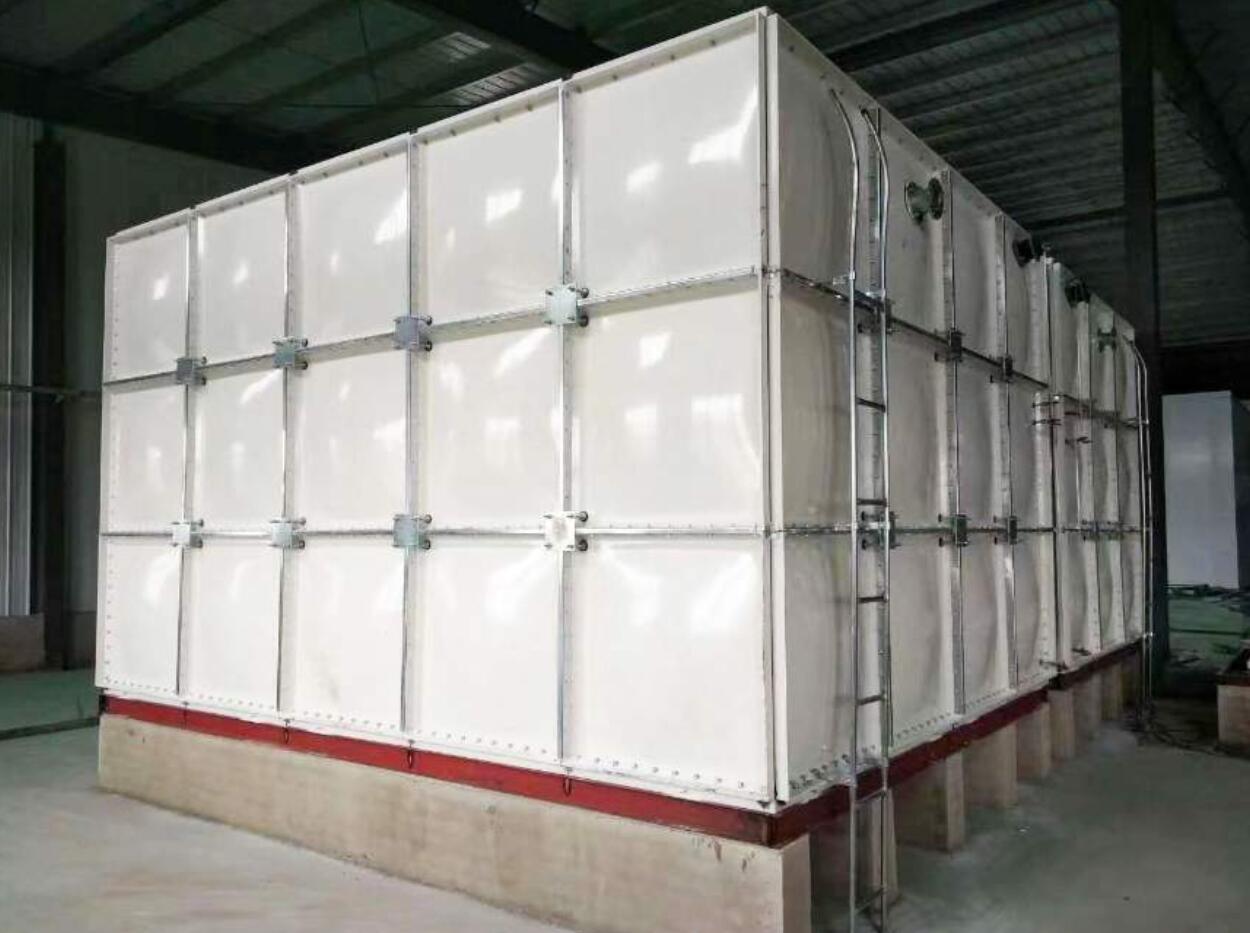
FRP water tanks are widely used in industrial and municipal water supply due to their light weight, high strength, and corrosion resistance. However, without effective surface protection, internal walls can become breeding grounds for algae and microorganisms, leading to water quality degradation, pipe clogging, and even health risks. Surface coating and anti-algae treatment are critical technologies to address these issues. Beijing Yuanhui FRP Co., Ltd., drawing on over a decade of manufacturing experience, has developed a mature system integrating material science and microbial control.
1. Functions and Material Selection of Surface Coatings
The primary functions of coatings include sealing micro-pores, reducing surface roughness, enhancing chemical resistance, and providing a substrate for anti-algae agents. Common coating materials include food-grade epoxy resin, polyurethane, and vinyl ester resin. Epoxy offers high adhesion and hardness, suitable for drinking water tanks. Polyurethane provides flexibility and impact resistance, ideal for fluctuating temperatures. Vinyl ester excels in chemical resistance but is costlier. All drinking water tank coatings must comply with GB/T 17219 and NSF/ANSI 61 standards. Beijing Yuanhui uses imported resin systems certified for low heavy-metal and organic leachates.
2. Anti-Algae Treatment Technologies
2.1 Algae Growth Mechanism
Algae require light, nutrients, and suitable temperatures. Although FRP tanks are typically closed, light can enter through vents and manholes. Phosphates and nitrates in source water serve as nutrients. Common species include green algae, cyanobacteria, and diatoms, which secrete polysaccharides to form biofilms that attract bacteria.
2.2 Physical Methods
Surface modification through superhydrophobic or photocatalytic coatings can reduce algae adhesion. For example, TiO₂ coatings degrade organic pollutants under UV light but are limited in low-light tank interiors. Superhydrophobic surfaces can reduce algae attachment by 70-85%, though long-term immersion may degrade the hydrophobic layer.
2.3 Chemical Methods
Slow-release antimicrobial agents—such as silver ions, copper ions, or quaternary ammonium compounds—can be incorporated into coatings. Silver ions have a minimum inhibitory concentration of 0.1-0.5 mg/L against green algae. Isothiazolinone biocides are broad-spectrum and effective but require food-grade selection for potable water tanks. Beijing Yuanhui employs a composite system: an epoxy base coat topped with a polyurethane finish containing nano-zinc and organic anti-algae agents. Third-party testing showed less than 5% algae coverage after 180 days of continuous immersion, meeting GB 5749-2022 standards.
3. Application Process and Quality Control
Proper substrate preparation is essential. After tank molding, abrasive blasting or sanding removes mold release agents and wax, achieving a roughness of Ra 3-10 μm. Application conditions should be 15-30°C and below 85% relative humidity. Two-component coatings must be used within their pot life (typically 30-60 minutes). Each coat should be 80-120 μm thick, with total dry film thickness ≥300 μm. Cured coatings undergo adhesion testing (pull-off or cross-cut), pinhole detection (spark testing), and immersion tests. Beijing Yuanhui performs full inspection before shipment to ensure zero defects.
4. Case Studies
4.1 Municipal Retrofit Project in Northern China
Twelve 100-ton FRP tanks showed algae stains after two years of service. Beijing Yuanhui applied on-site coating renovation with an epoxy-polyurethane composite system. An 18-month follow-up revealed no algae regrowth, and water quality passed all tests.
4.2 Pure Water Storage for a Southern Food Factory
To meet strict microbiological limits, the factory used a food-grade coating with silver-ion slow-release anti-algae technology. Surface roughness was reduced to Ra 0.8 μm. After two years, no algae were detected, and bacterial counts remained below regulatory limits.
Conclusion
Surface coating and anti-algae treatment for FRP water tanks are not simple paint jobs; they require a systematic approach integrating material science, microbiology, and application engineering. Choosing the right coating system, reliable anti-algae agents, and standardized processes is essential for long-term performance. Beijing Yuanhui FRP Co., Ltd. continues to innovate in coating formulations and algae control to deliver cleaner, more durable water storage solutions.