Surface Coating and Algae Prevention for FRP Water Tanks: Technical Insights
Introduction
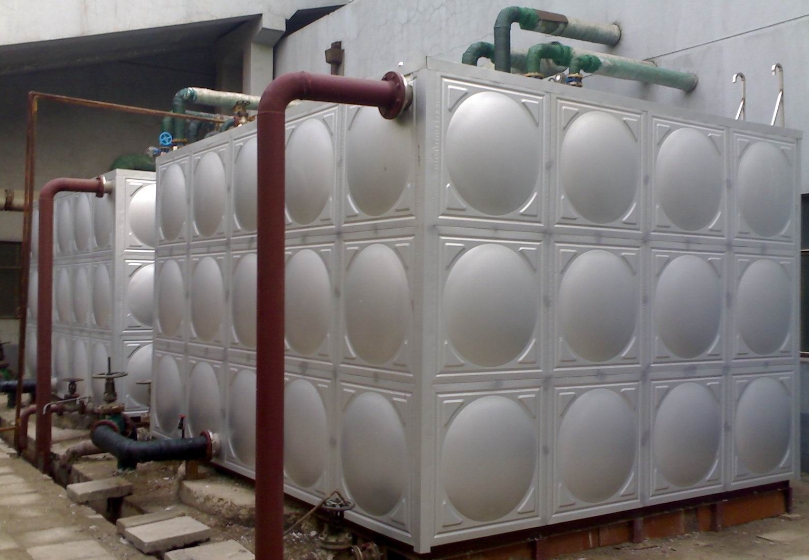
FRP water tanks are widely used in residential, commercial, and industrial water storage due to their light weight, high strength, and corrosion resistance. However, prolonged water contact can lead to coating degradation and algae growth, compromising water quality. Beijing Yuanhui FRP Co., Ltd. has identified surface coating and algae prevention as critical factors for tank longevity and safety. This article examines the technical aspects of these processes.
Surface Coating: From Protection to Performance
Material Selection
Food-grade epoxy or polyurethane coatings are preferred for FRP tank interiors. Beijing Yuanhui uses a modified epoxy coating that complies with GB/T 5750 standards, achieving adhesion exceeding 5 MPa (pull-off test). The coating minimizes leaching of low-molecular-weight substances from the resin.
Application Parameters
Surface preparation to Sa 2.5 (near-white metal blast) with 50–75 μm roughness is essential. A dry film thickness of 250–350 μm, applied in two to three coats with 4-hour intervals (at 23°C/50% RH), ensures impact resistance above 50 cm·kg and salt spray resistance of 1,000 hours without blistering.
Algae Prevention: Mechanisms and Solutions
Algae Growth Conditions
Algae thrive at 20–35°C, pH 6.5–8.5, and with light exposure. Transparent tanks are especially vulnerable. Algal metabolites produce geosmin and 2-methylisoborneol, causing taste and odor issues, while some cyanobacteria release microcystins.
Physical Prevention
Blocking light is the most effective physical method. Beijing Yuanhui incorporates UV absorbers (e.g., benzotriazoles, 0.5–1.0%) into exterior coatings, reducing transmittance to below 0.1%. Light-colored interior coatings further reflect visible light.
Chemical Additives
Silver-ion-releasing biocides (0.3–0.5%) provide long-term algae inhibition, but silver leaching must stay below the drinking water limit of 0.05 mg/L (GB 5749-2022). Quaternary ammonium compounds are an alternative, though they require high-crosslink-density resins for durability. Beijing Yuanhui’s tests show that nanoclay-reinforced coatings with 0.4% nanosilver maintain algae coverage under 5% after 180 days of immersion.
Case Study and Performance
A 200 m³ FRP tank equipped with Beijing Yuanhui’s integrated coating and algae prevention system was monitored for 18 months. Results showed turbidity ≤0.5 NTU, total bacterial count ≤10 CFU/mL, and no detectable algae cells. Coating adhesion remained above 4.5 MPa without defects. In contrast, untreated tanks exhibited visible algal patches within 6 months, with a 15% complaint rate regarding water odor.
Conclusion
Surface coating and algae prevention are essential for FRP water tanks. Beijing Yuanhui FRP Co., Ltd. recommends food-grade coatings ≥250 μm thick, combined with light-blocking and antimicrobial strategies. Regular inspections every six months are advised. Emerging nano-materials and bio-based biocides promise even more sustainable solutions.