Thermal Insulation Performance of FRP Water Tanks: A Comprehensive Guide to Energy-Efficient Storage Solutions
Introduction
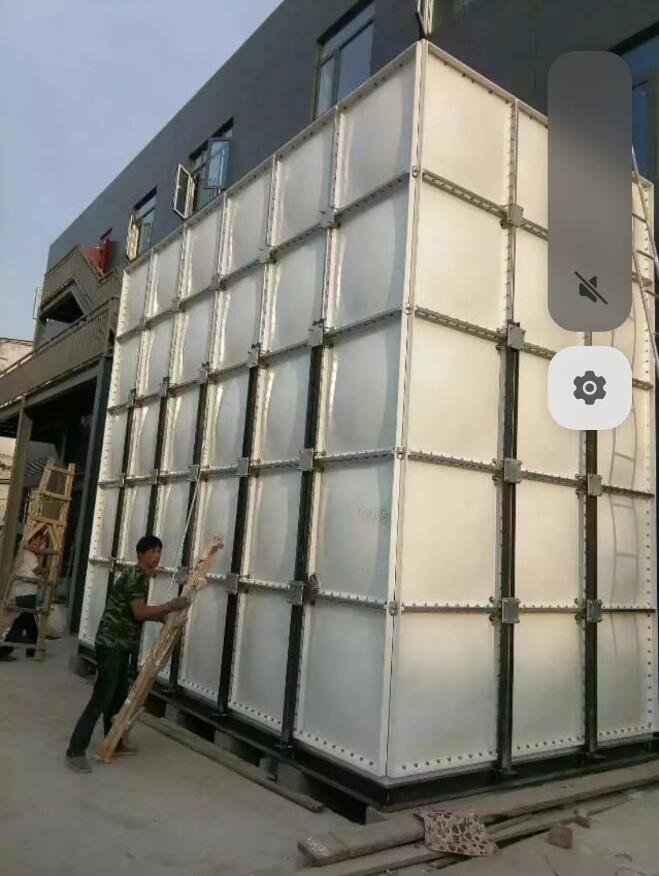
The thermal insulation performance of FRP (Fiberglass Reinforced Plastic) water tanks is a decisive factor for their effectiveness in cold climates or constant-temperature storage applications. Beijing Yuanhui FRP Co., Ltd., with over a decade of production and engineering experience, has observed that many users lack systematic understanding of insulation thickness, density, and installation techniques, often resulting in greater-than-expected heat loss. This article examines the key parameters of FRP tank insulation from the perspectives of material science, thermal calculations, and field applications, supported by real-world case studies in residential hot water, industrial cooling, agricultural breeding, and fire protection systems.
Technical Essentials of FRP Tank Insulation
Insulation Material and Thickness Selection
Common insulation materials for FRP tanks include polyurethane rigid foam (PUR) with a thermal conductivity as low as 0.022 W/(m·K) and rubber-plastic sponge (NBR/PVC) valued for its flexibility and closed-cell structure. For regions with winter average temperatures below -10°C, Beijing Yuanhui recommends a minimum insulation thickness of 80mm. In the Yangtze River basin, where summers are hot and winters cool, 50mm is sufficient to prevent surface condensation.
Condensation and Moisture Control
When the temperature difference between stored water and ambient air exceeds 15°C, condensation on the tank exterior becomes a risk. Beijing Yuanhui's composite structure—inner insulation layer, aluminum foil reflective layer, and outer color steel panel—maintains the outer wall temperature 2-3°C above the dew point under lab conditions (35°C ambient, 10°C water), effectively preventing dripping condensation and building damage.
Three Core Application Scenarios with Field Data
Residential and Commercial Hot Water Systems
In a Beijing high-end residential project, a 10m³ FRP insulated tank (80mm PUR) was compared to an uninsulated stainless steel tank. Over 72 hours at an average ambient temperature of -5°C, the insulated tank experienced a temperature drop of only 3.2°C, compared to 11.7°C for the uninsulated tank. At an electricity rate of 0.8 RMB/kWh, the insulated tank saves approximately 4,200 RMB per year, with a payback period of less than two years.
Industrial Cooling Circulating Water Systems
At a chemical plant in Jiangsu province, a 60mm FRP insulated tank was installed as a buffer vessel for a cooling tower. During summer (ambient 38°C), the water temperature inside the tank fluctuated within ±1.5°C, reducing makeup water demand by 40% compared to the previous concrete basin. The corrosion resistance of FRP (stable at pH 3–11) extended maintenance intervals to over three years.
Agricultural Breeding and Fire Protection Reserves
In Shihezi, Xinjiang, a livestock farm used a 100mm PUR insulated FRP tank with electric heat tracing to maintain water above 5°C during -30°C weather, preventing ice formation. For fire protection, the tank underwent a 72-hour static test in Northeast China; water temperature dropped only 0.8°C, fully complying with GB 50016-2014 requirements.
Installation and Maintenance Factors Affecting Insulation
Pipe Interface and Component Insulation
Inlet/outlet ports, overflow pipes, and manholes are weak points for heat loss. Beijing Yuanhui recommends silicone rubber seals and a minimum 30mm insulation layer on all metal fittings and valve housings. In one project, neglecting pipe interface insulation increased total heat loss by 15%.
Long-Term Aging and Repair of Insulation
PUR foam degrades under prolonged UV exposure, so the integrity of the outer cladding (color steel or stainless steel) is critical. Beijing Yuanhui offers a biennial free inspection to detect delamination, moisture ingress, or compression. Localized damage can be repaired on-site using a dedicated PUR foam injection system, restoring over 95% of original thermal performance.
Conclusion
The thermal insulation performance of FRP water tanks is not a single parameter but a system-level outcome of material selection, thickness design, installation detail, and maintenance strategy. Based on extensive engineering data from Beijing Yuanhui FRP Co., Ltd., a properly configured insulated FRP tank can operate stably across a temperature range from -30°C to 60°C, with daily heat loss below 2% and a typical payback period of 1.5 to 3 years. When selecting an insulated tank, users should prioritize insulation thickness, closed-cell rate, and outer cladding UV resistance over initial purchase price alone.